Embedding wellbeing in public school systems
Labhya works with Indian state governments to institutionalize daily wellbeing classes for children in public school systems.
The program is government-mandated, teacher-led, and embedded within existing education infrastructure.
Learning &
wellbeing gap
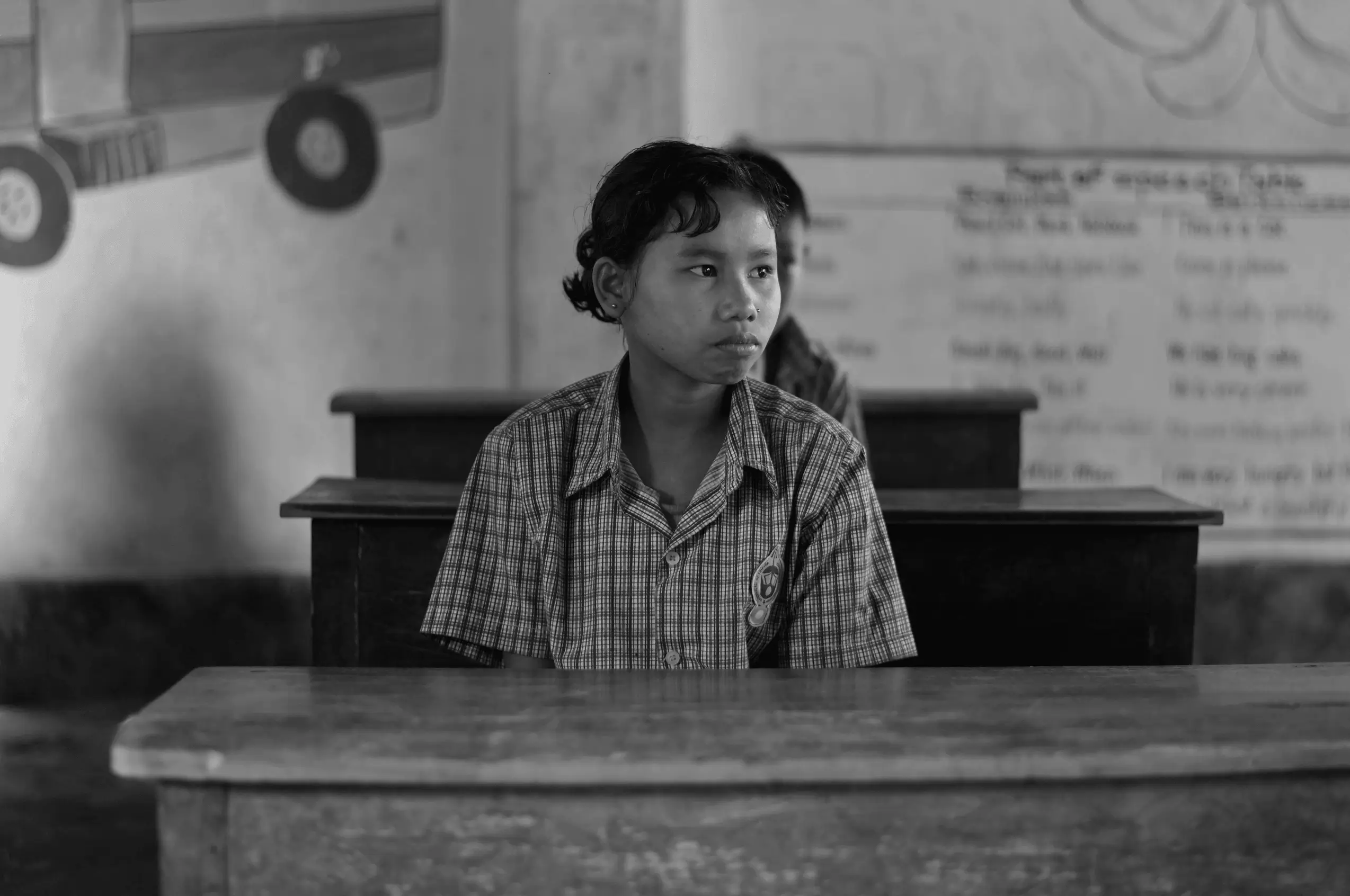
India’s National Education Policy (NEP) 2020 emphasizes holistic development, making wellbeing essential for every child’s growth and learning.
While state governments are taking steps to advance this vision, gaps remain, and without sustained action, cycles of disadvantage and lost potential persist.
Labhya partners with the government to embed wellbeing classes in the public education system at scale, aiming to make wellbeing a core part of education so every child in India’s public schools can become a calmer, focused learner.
Our program
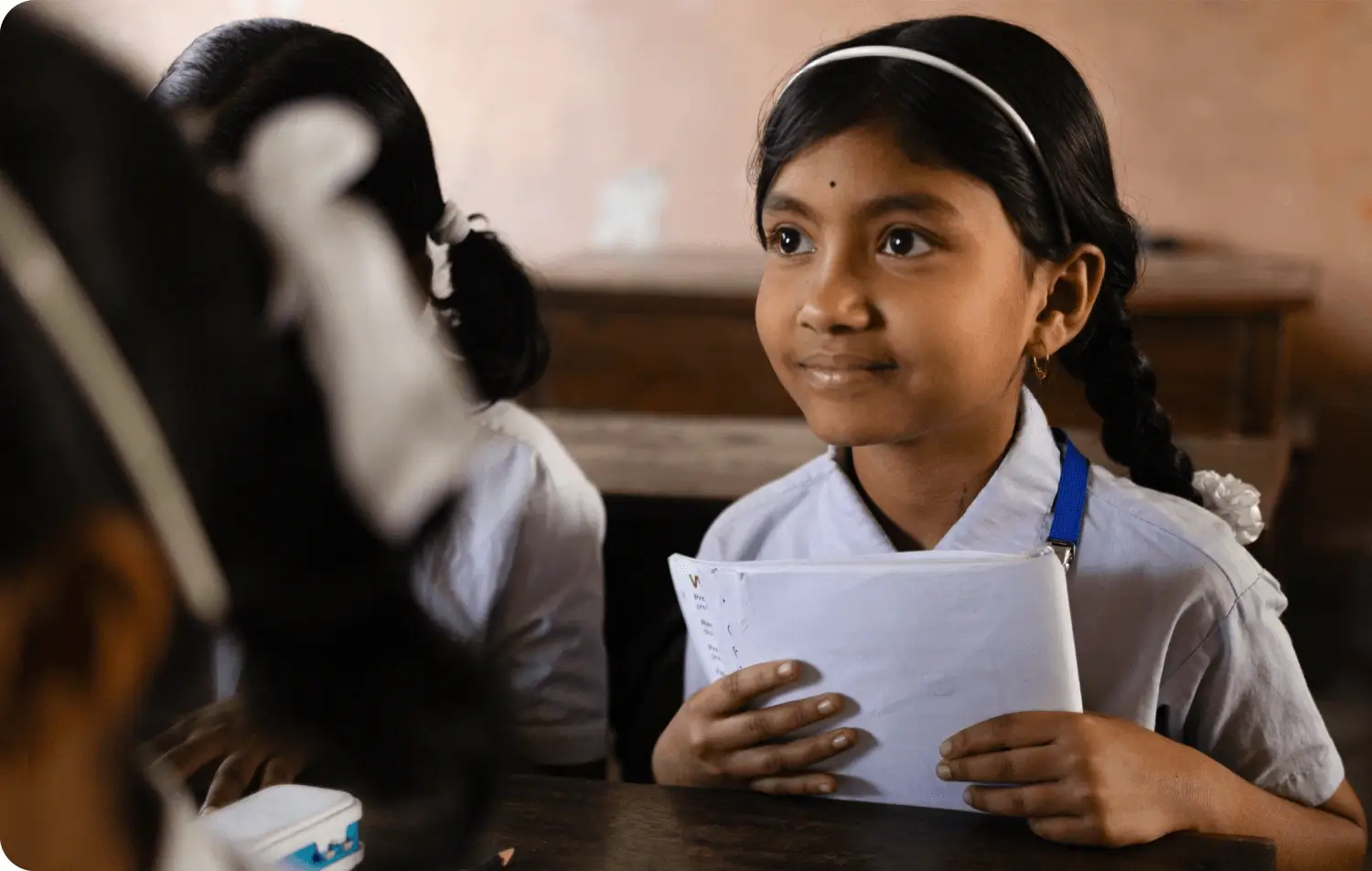
A daily government-mandated public school teacher-led wellbeing class for children aged 5–15 (Grades K–8) embedded within the regular school day.
The program is structured for government ownership: implementation, teacher training, and monitoring are led by the system, with Labhya providing technical support and learning inputs.
This enables the program to be fully owned and delivered by the government system at scale.
How the program works inside government systems
How the program works inside government systems

Government partnership
Labhya partners with state governments through formal agreements that mandate statewide classroom time, nominate teachers and officials, and allocate public funding.
This structure supports legitimacy, reach, and sustainability from the outset.

Program co-creation
The program is co-created with government stakeholders to align with state priorities and local language and context, and is designed as a daily, school-based preventive approach.
It is delivered through a structured, low-burden teacher handbook that is classroom-ready and mandated for statewide use.
Teacher-led daily
classroom delivery
Teachers facilitate the program as part of the regular school day using the teacher’s handbook with scripted lesson plans.
By relying on public school teachers, the model reduces operational complexity and supports scale within public systems.
Government-led trainings
Training operates through existing government structures through a train-the-trainer model. State-nominated master trainers and Team Labhya train district and block-level trainers to support teachers. Over time, training responsibility transitions fully to government teams.

Change management
Labhya treats change management as a core component of implementation. This includes complete government ownership of children’s wellbeing. We facilitate this through regular review meetings, a consistent feedback loop, and by supporting adoption and fidelity.

Monitoring and learning
Data on fidelity and quality is collected consistently through government systems and Team Labhya to ensure continuous refinement. This approach supports ongoing targeted government-implemented improvement of the program.
What a wellbeing class looks like
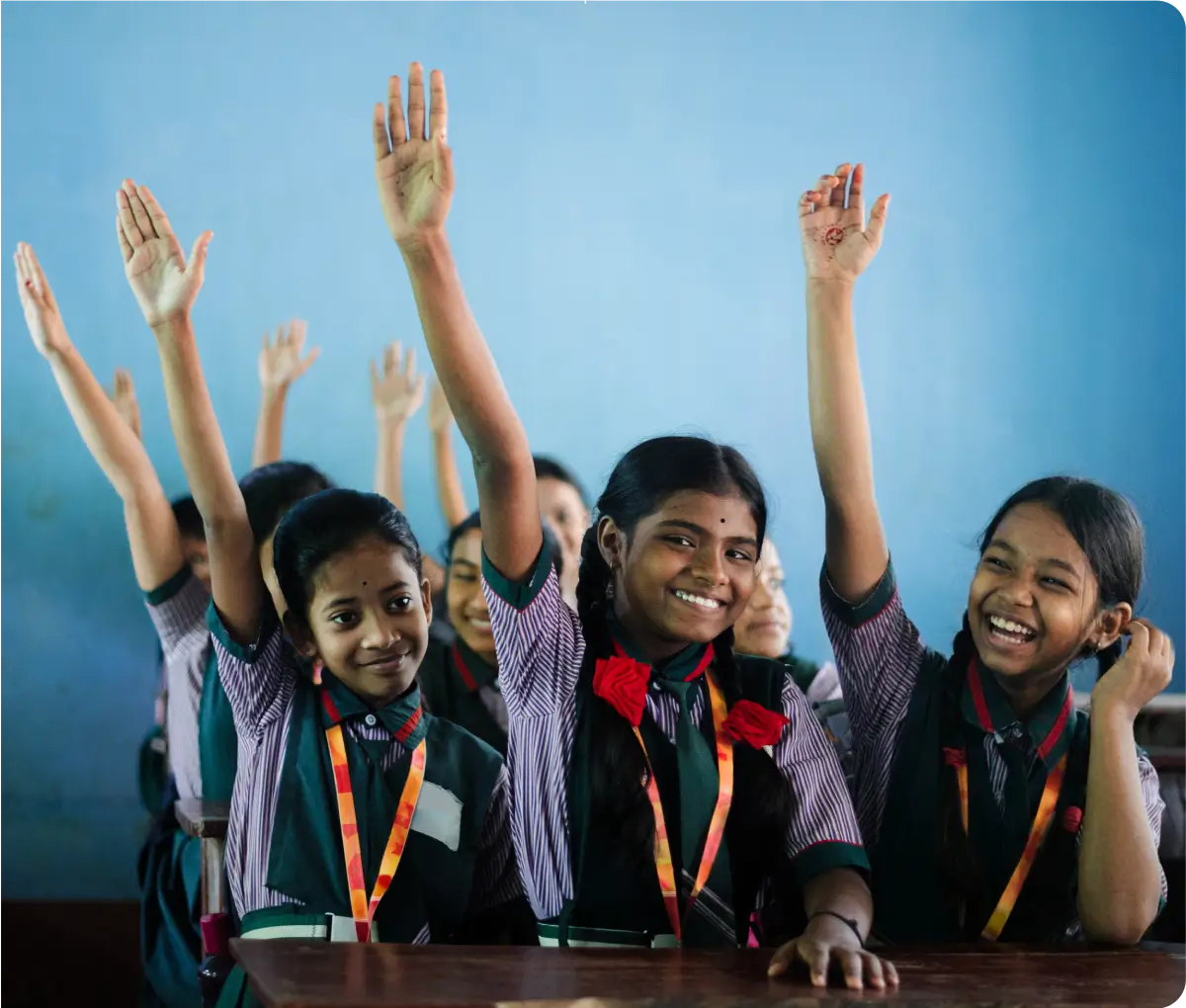
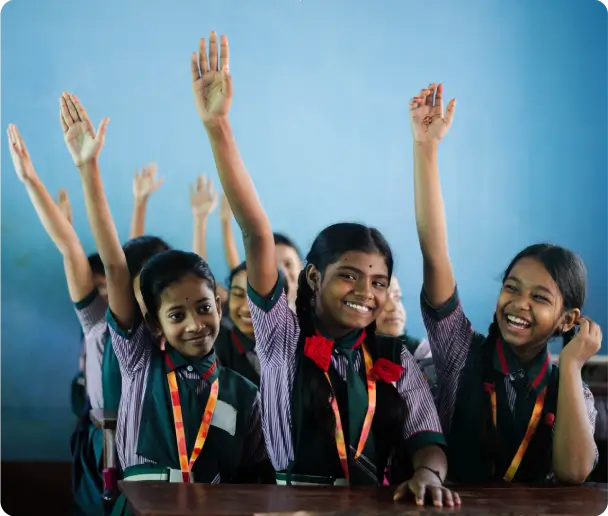
A regular public school teacher facilitates the wellbeing class every day, as part of the normal school day. Teachers are supported by a teacher's handbook with scripted lesson plans.
The program is designed to fit within existing teacher roles and classroom routines, avoiding parallel delivery systems.
The class includes multiple pedagogies, including:
What a wellbeing class looks like
A regular public school teacher facilitates the wellbeing class every day, as part of the normal school day. Teachers are supported by a teacher's handbook with scripted lesson plans.
The program is designed to fit within existing teacher roles and classroom routines, avoiding parallel delivery systems.
The class includes multiple pedagogies, including:
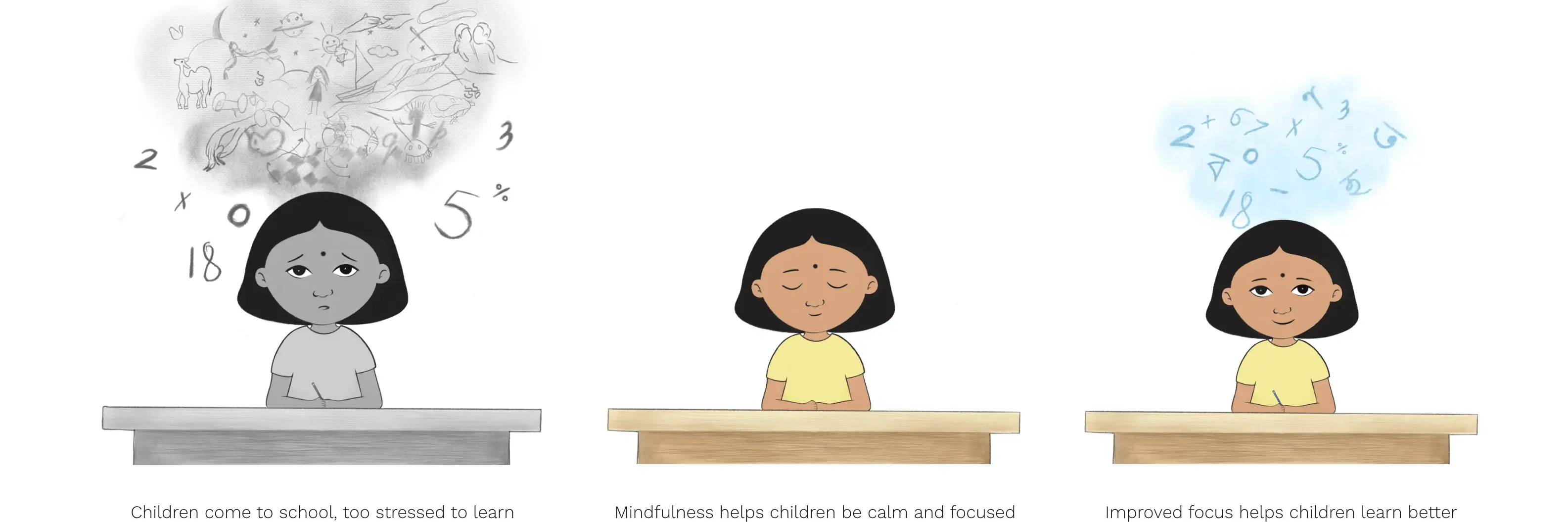
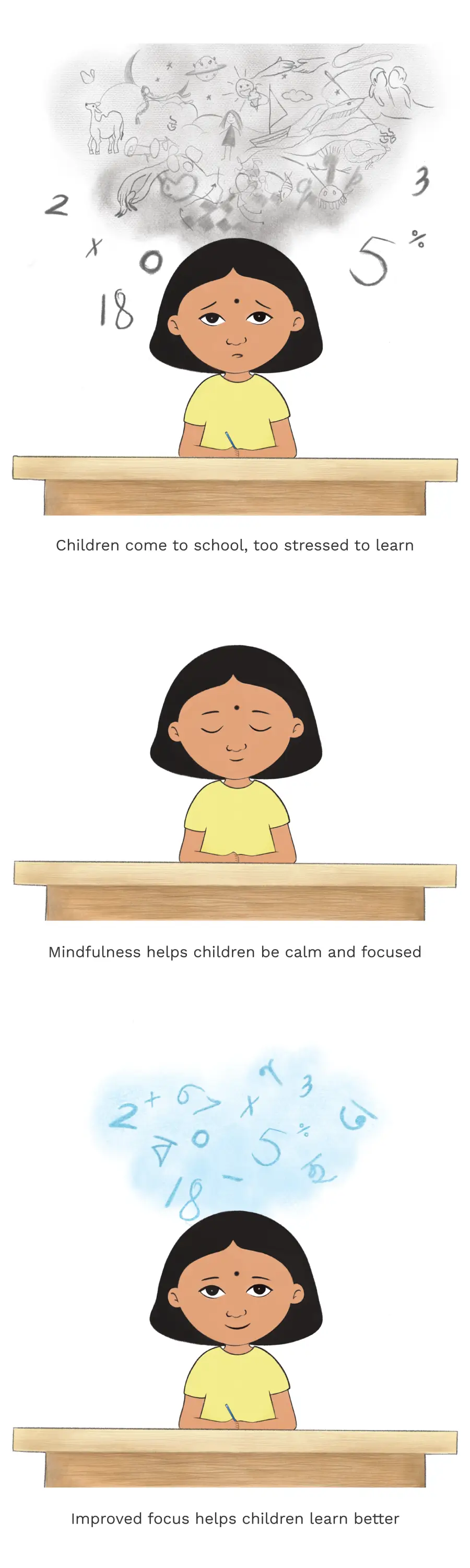
Mindfulness is a scientific approach that enables children to become calm and focused.
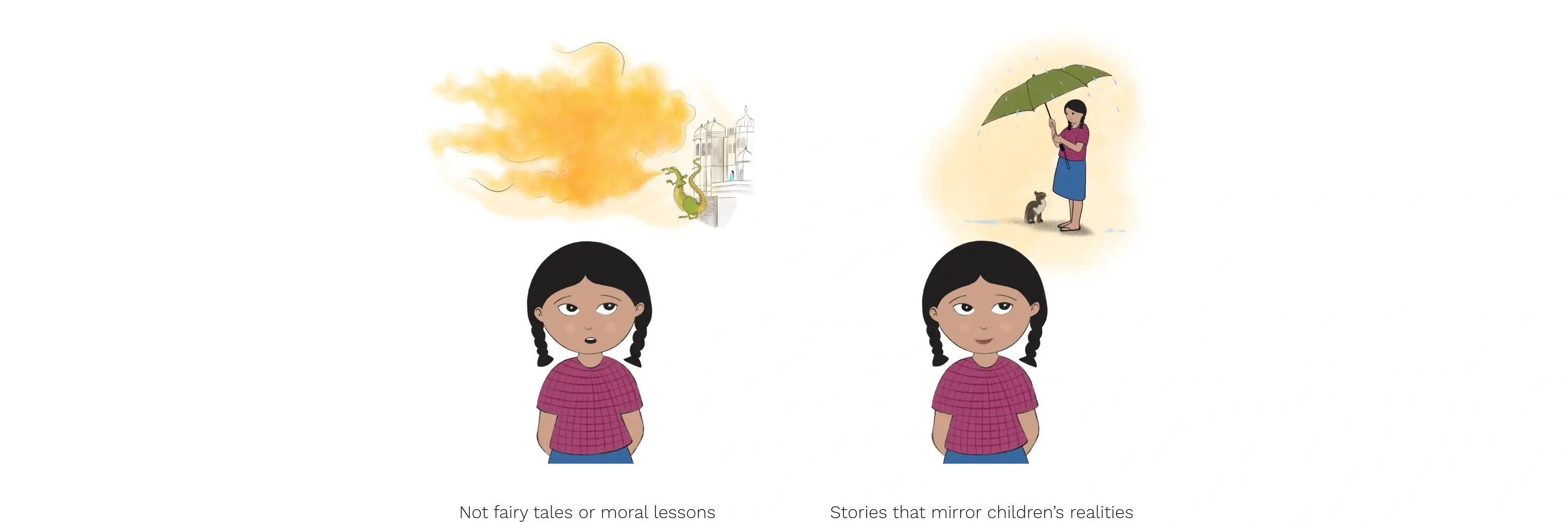
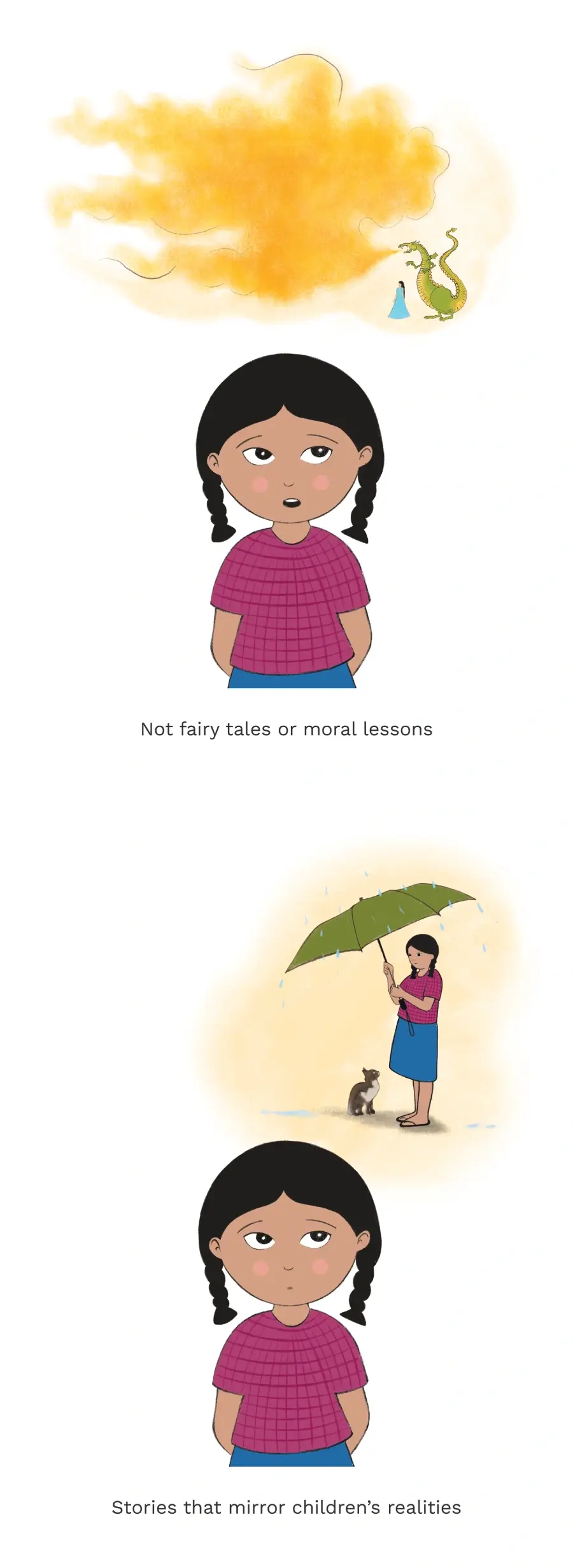
Age-appropriate stories rooted in cultural context designed to spark reflection and group discussions.
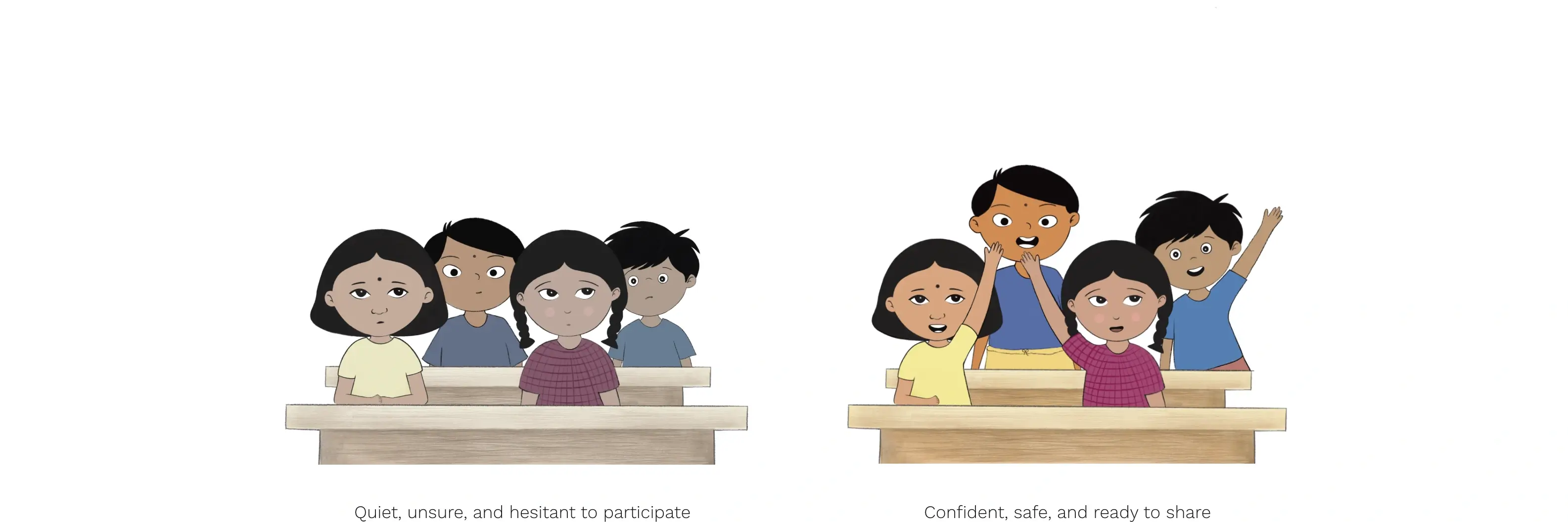
A safe space, with guided reflection for children to reflect and build confidence in expressing themselves.
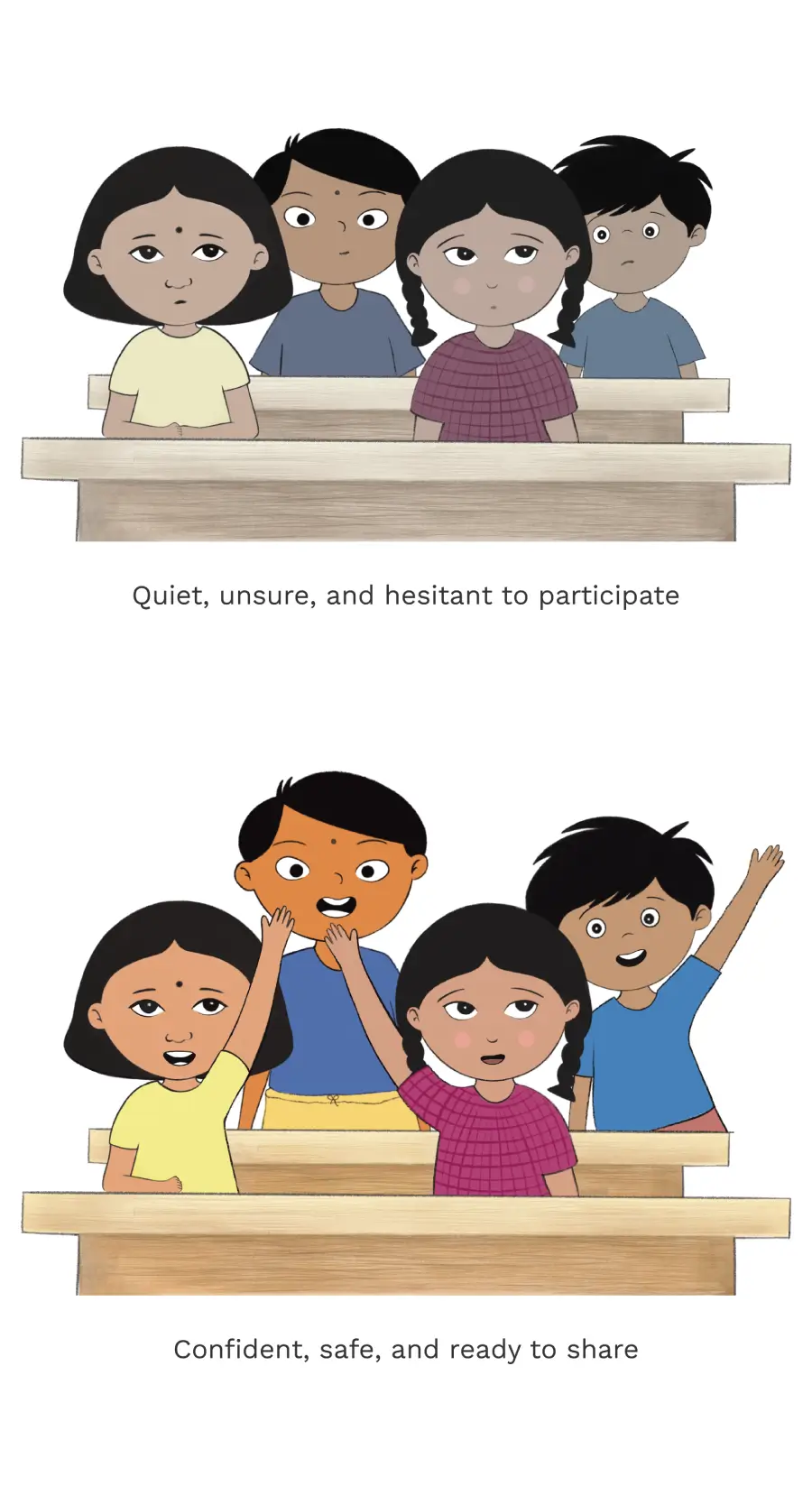
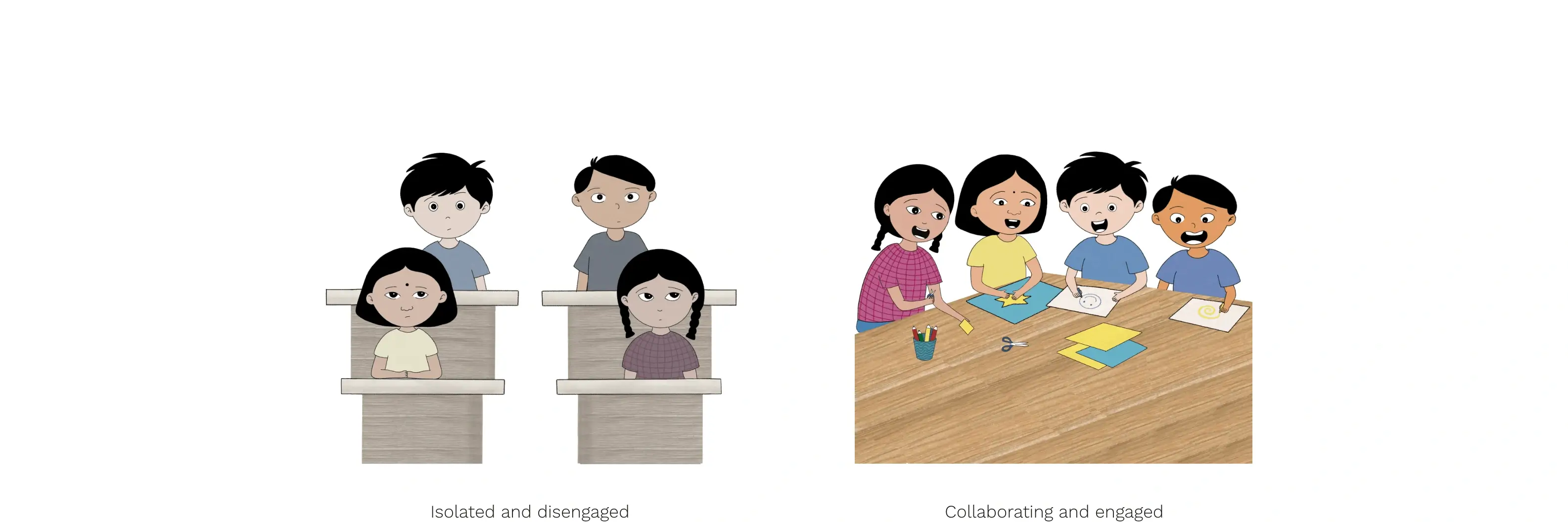
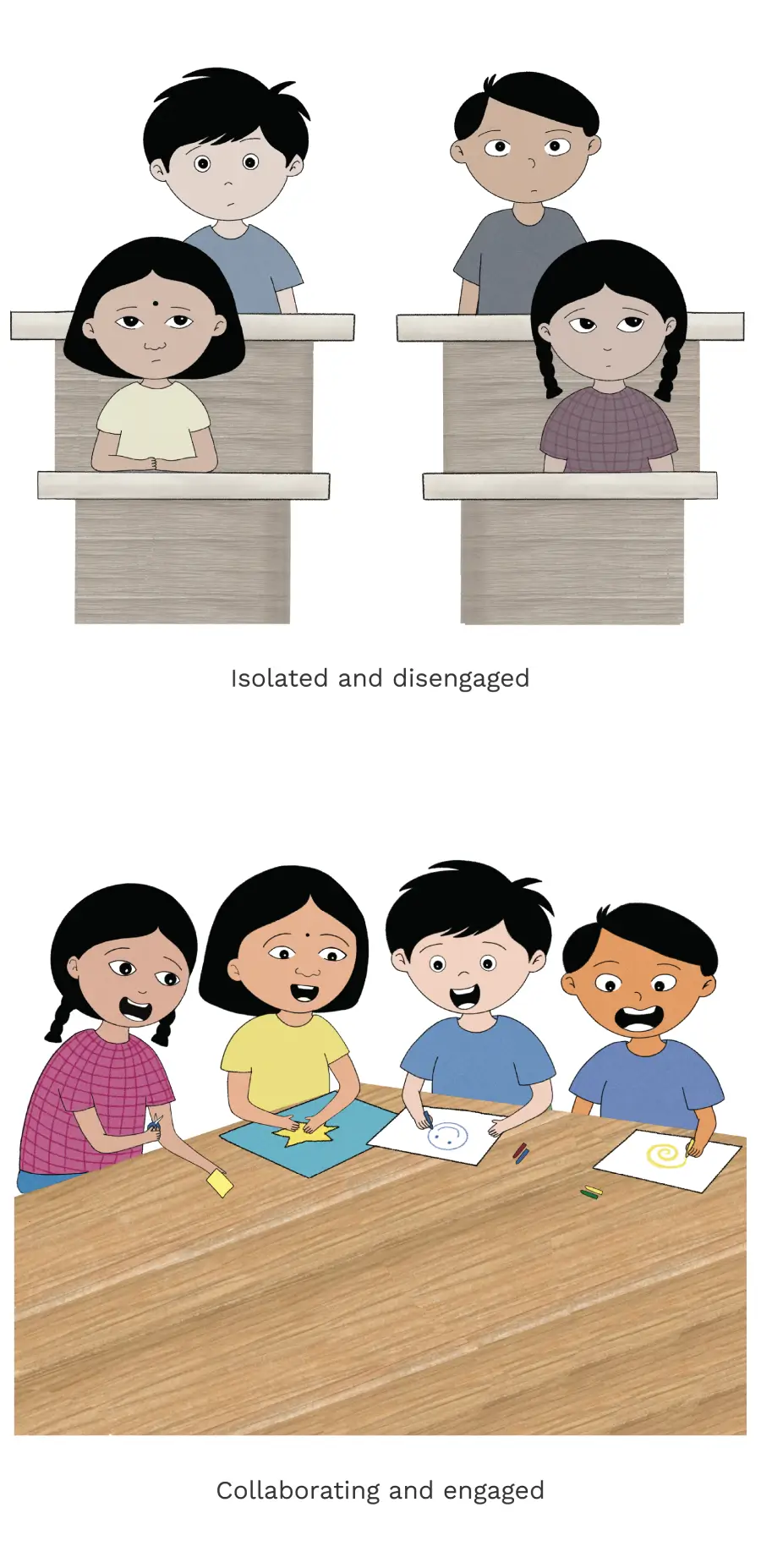
Simple, hands-on activities that actively engage all children using minimal resources.
Our scale
2.4 million+ children

150K+ teachers

3 states
Labhya works in partnership with multiple state governments across India, demonstrating repeat adoption across diverse contexts.